
Can you smoke while taking levothyroxine: what you need to know — risks, timing, and doctor advice
Table of Contents
- 1. Understanding levothyroxine
- 2. How levothyroxine is absorbed
- 3. Smoking and thyroid function
- 4. Interactions between smoking and levothyroxine
- 5. Risks and side effects of smoking while on levothyroxine
- 6. Can you smoke while taking levothyroxine? — the practical answer
- 7. Timing and administration tips
- 8. Pregnancy and smoking while on levothyroxine
- 9. Benefits of quitting smoking for thyroid health
- 10. Monitoring and when to see your doctor
1. Understanding levothyroxine
Anyone comparing thyroid hormone replacement options may open buy synthroid without prescription for product details, dosage notes, and important safety information.
Levothyroxine is a synthetic form of thyroxine (T4) used to treat hypothyroidism, a condition where the thyroid gland does not produce enough hormone. It replaces the missing hormone to normalize metabolism, energy, heart rate, and many other bodily functions. Because levothyroxine has a narrow therapeutic window — meaning small dose changes can have meaningful effects — patients and clinicians must carefully manage how and when medication is taken.
When discussing “can you smoke while taking levothyroxine,” it helps to remember that both the drug’s absorption and its metabolism can be influenced by lifestyle factors, including smoking. Understanding the basics of levothyroxine sets the stage for why smoking matters.
2. How levothyroxine is absorbed
Levothyroxine tablets are mainly absorbed in the small intestine, and absorption is optimized on an empty stomach. Typical guidance is to take it first thing in the morning, 30–60 minutes before breakfast, or at bedtime at least three hours after the last meal. Several substances reduce absorption: calcium, iron, certain foods, antacids, and some supplements.
Beyond absorption at the gut, levothyroxine’s circulating levels depend on liver metabolism and conversion of T4 to the active T3 form. Drugs and environmental factors that change hepatic enzyme activity can therefore alter how much active hormone is available.
3. Smoking and thyroid function
Smoking affects the thyroid in multiple ways. Components of cigarette smoke — such as nicotine, polycyclic aromatic hydrocarbons (PAHs), and cyanide — influence thyroid hormone synthesis, metabolism, and regulatory feedback to the pituitary gland. Research shows smokers may have altered thyroid hormone levels and different rates of autoimmune thyroid disease.
Some typical observations: smokers can have slightly lower TSH levels and shifts in T3/T4 ratios. Smoking is also associated with a higher risk of Graves’ ophthalmopathy in people with autoimmune thyroid conditions. These effects don’t necessarily mean every smoker will experience clear symptoms, but they do indicate smoking can change thyroid physiology.
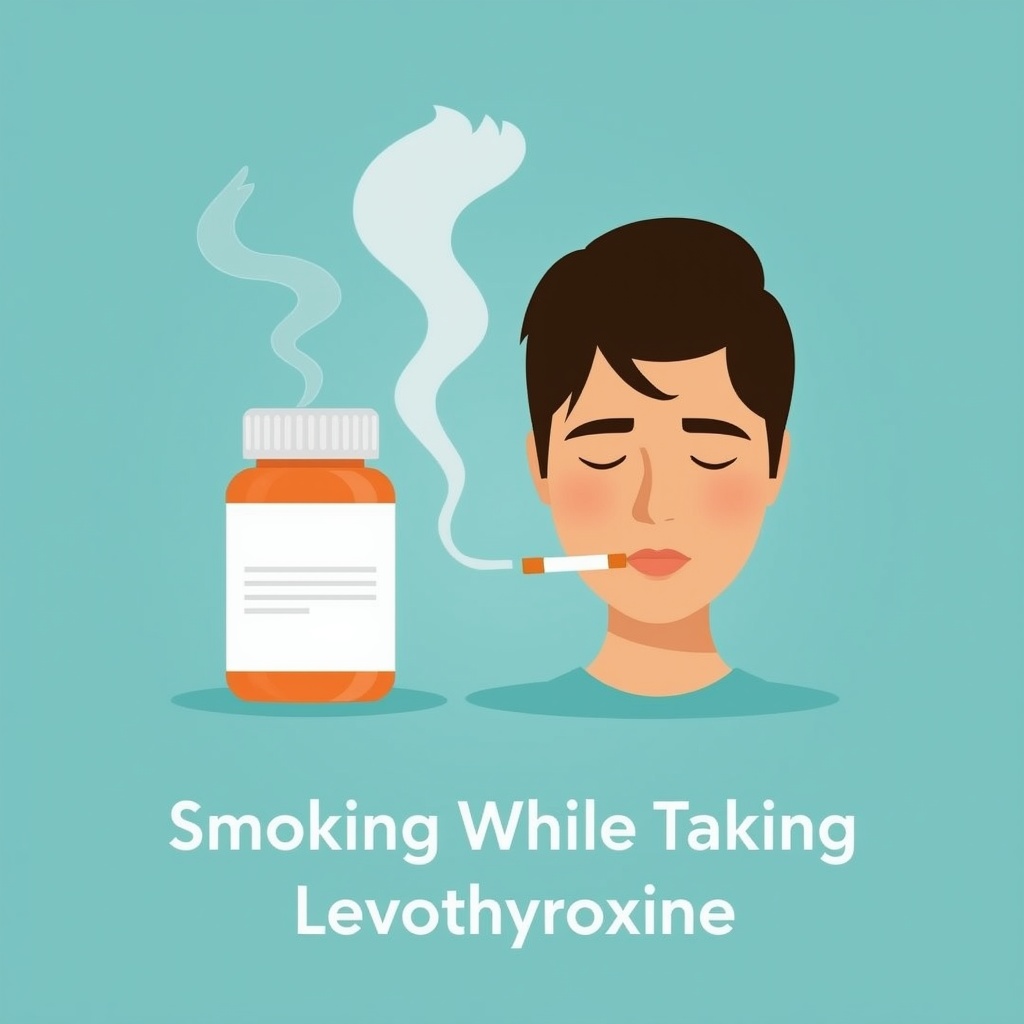
4. Interactions between smoking and levothyroxine
So how does smoking interact with levothyroxine specifically? There are two principal pathways to consider: absorption and metabolism. Smoking may increase hepatic enzyme activity — particularly through PAH-induced upregulation of metabolizing enzymes — leading to faster breakdown of thyroid hormones. Faster clearance can mean lower circulating hormone levels and may require higher levothyroxine doses to maintain target TSH.
On the absorption side, smoking affects gastric motility and gastric pH to some extent, but the effect on levothyroxine absorption at the gut appears less significant than metabolic effects. Still, inconsistent smoking habits around dosing times could introduce variability in how much drug is absorbed.
5. Risks and side effects of smoking while on levothyroxine
Combining smoking with levothyroxine can amplify certain risks:
- Unstable thyroid control: Smoking may blunt or accelerate levothyroxine effects, causing fluctuating TSH and symptoms.
- Cardiovascular stress: Both smoking and overtreatment with levothyroxine increase heart rate and arrhythmia risk; together they may worsen cardiac risk profiles.
- Bone health: Smoking and excessive thyroid hormone both contribute to reduced bone mineral density and higher fracture risk.
These risks are more pronounced in older adults and people with pre-existing heart disease or osteoporosis.
6. Can you smoke while taking levothyroxine? — the practical answer
Short answer: Technically yes, but it’s not recommended. The question “can you smoke while taking levothyroxine” has a nuanced answer. Smoking won’t immediately inactivate levothyroxine like an interacting drug might, but it can change how your body handles the hormone. That may lead to the need for dose changes, more frequent monitoring, and an increased chance of side effects.
If you choose to keep smoking, the most responsible approach is to be consistent and communicate with your healthcare provider. Consistency lets your doctor interpret lab results reliably. If you quit or significantly reduce smoking, your levothyroxine requirements may change — usually decreasing — so a follow-up TSH check is essential.
7. Timing and administration tips
Practical tips to minimize interactions and variability:
- Take levothyroxine on an empty stomach, 30–60 minutes before breakfast or at least three hours after the last meal.
- Avoid smoking immediately before or after taking the pill to reduce transient effects on gastric function and to promote consistent routine.
- Keep other interfering agents separate: wait four hours before taking calcium, iron, or antacids.
- Stick to the same brand or generic formulation, if possible, because small formulation differences matter.
Routine is key. If your smoking habit or other lifestyle factors change, plan a TSH check about 6–8 weeks after the change to see if dose adjustments are needed.
8. Pregnancy and smoking while on levothyroxine
Pregnancy increases levothyroxine requirements because of higher thyroid-binding proteins and increased maternal hormone needs for fetal development. Smoking during pregnancy adds additional risks: poorer fetal growth, placental problems, and potential impacts on fetal brain development. For pregnant people taking levothyroxine, quitting smoking is strongly advised. If you stop smoking during pregnancy, your levothyroxine dose may need adjustment — so coordinate closely with your obstetrician and endocrinologist.
9. Benefits of quitting smoking for thyroid health
Quitting smoking improves overall health and specifically benefits thyroid management. Potential gains include more stable thyroid hormone levels, lower cardiovascular risk, improved bone health, and reduced risk of autoimmune thyroid complications. Quitting can also make levothyroxine dosing more predictable, reducing the need for frequent dose changes.
If the concern is nicotine replacement therapy (NRT), most NRT products have minimal interaction with levothyroxine. The benefits of quitting outweigh potential minor interactions. Always discuss smoking cessation plans with your provider so they can plan appropriate monitoring.
10. Monitoring and when to see your doctor
Key monitoring steps when smoking and taking levothyroxine:
| Situation | Recommended Action |
|---|---|
| Starting levothyroxine | Baseline TSH, then recheck 6–8 weeks after stable dosing |
| Change in smoking status (start/quit/major reduction) | Recheck TSH 6–8 weeks after change |
| New symptoms (palpitations, weight changes, fatigue) | Contact provider for evaluation; may need labs sooner |
Another simple comparison helps summarize differences between smokers and non-smokers on levothyroxine:
| Feature | Smoker | Non-smoker |
|---|---|---|
| Levothyroxine stability | More variable, may require higher dose | More predictable dosing |
| Cardiovascular risk | Higher | Lower |
| Monitoring frequency | May need more frequent TSH checks | Standard monitoring |
Always report changes in smoking, symptoms, or new medications to your clinician. The goal is to keep TSH within target ranges and minimize symptoms or side effects.
FAQ
Can you smoke while taking levothyroxine?
Smoking is not recommended while taking levothyroxine. Tobacco smoke can alter thyroid function and may change how much thyroid hormone you need; quitting or changing smoking habits often requires a dose reassessment by your clinician.
Does smoking make levothyroxine less effective?
Smoking can indirectly reduce the effectiveness of thyroid replacement by increasing thyroid hormone clearance and disrupting thyroid function, which may lead to higher replacement requirements or unstable lab results.
If I quit smoking, will my levothyroxine dose need to change?
Possibly. Quitting can lower the rate at which your body clears thyroid hormone, so many people need a lower levothyroxine dose after stopping smoking; follow-up TSH/T4 testing is important after quitting.
Does smoking affect levothyroxine absorption in the gut?
Smoking doesn’t directly block levothyroxine absorption the way calcium, iron, or antacids can, but chronic smoking can change overall thyroid hormone metabolism and lab values, which can affect dosing.
Should I time my cigarette around when I take levothyroxine?
Timing cigarettes won’t protect you from the systemic effects of smoking on thyroid function. Always take levothyroxine on an empty stomach 30–60 minutes before food, and discuss smoking habits with your provider so they can interpret labs correctly.
Can smoking cause hypothyroidism or other thyroid problems?
Smoking is linked to several thyroid issues: it can worsen autoimmune thyroid disease, increase the risk of Graves’ ophthalmopathy, and alter thyroid hormone levels, contributing to instability in thyroid status.
Are secondhand smoke and vaping risky while on levothyroxine?
Secondhand smoke and vaping can also affect thyroid health. Vaping and nicotine exposure may influence thyroid hormone metabolism and immune responses; any nicotine or smoke exposure should be discussed with your clinician.
Will smoking make my thyroid blood tests inaccurate?
Smoking changes thyroid physiology and can influence TSH, T3, and T4 levels, so test results may reflect the effects of smoking; your provider will consider smoking status when interpreting labs.
Does smoking increase the side effects of levothyroxine?
Smoking can exacerbate symptoms of thyroid disease and may worsen side effects related to excess thyroid hormone (such as palpitations or anxiety) because it affects cardiovascular and metabolic systems.
Can smoking affect levothyroxine treatment during pregnancy?
Yes. Smoking during pregnancy impacts thyroid function for both mother and fetus and can complicate levothyroxine management; pregnant people on levothyroxine should avoid tobacco and work closely with their OB and endocrinologist.
Is nicotine replacement therapy (patch/gum) safer than smoking while on levothyroxine?
Nicotine replacement removes many toxic components of smoke but still delivers nicotine, which can influence thyroid physiology to a lesser extent. Discuss nicotine replacement options with your provider; quitting completely is ideal but patches/gum are safer than continued smoking.
How soon after quitting smoking should I check my thyroid levels?
Have thyroid function tests about 6–8 weeks after quitting, or sooner if you experience symptoms, so your provider can adjust levothyroxine if needed—individual timing may vary.
Does smoking increase the need for higher levothyroxine doses?
Some studies show smokers may require higher replacement doses due to increased hormone clearance and altered thyroid function; monitoring and dose adjustments are individualized.
Can smoking worsen autoimmune thyroid conditions while taking levothyroxine?
Yes. Smoking is associated with worse outcomes in autoimmune thyroid disease (like Graves’ and Hashimoto’s), potentially increasing inflammation and symptoms even when on levothyroxine.
Is it dangerous to keep smoking if my thyroid is well-controlled on levothyroxine?
Even if labs look okay, smoking still poses risks to long-term thyroid health and overall health. It can cause future instability in replacement needs and worsen complications like eye disease in Graves’ orbitopathy.
Will cigars or pipes have the same effect on levothyroxine as cigarettes?
All forms of combustible tobacco expose you to substances that affect thyroid function; cigars and pipes can have similar negative effects on thyroid health and levothyroxine management.
Does marijuana smoking affect levothyroxine treatment?
Marijuana smoke may influence endocrine function and has potential interactions with thyroid regulation; research is limited, so disclose any marijuana use to your clinician for proper monitoring.
Are there immediate symptoms I should watch for if I smoke while on levothyroxine?
Watch for changes in energy, weight, heart rate, sweating, mood, or temperature tolerance—these can signal under- or over-replacement influenced by smoking or changes in smoking status. Report changes promptly.
Should I tell my doctor about my smoking even if I’m stable on levothyroxine?
Yes. Always report tobacco and nicotine use so your provider can interpret labs correctly, plan follow-up testing, and offer support for quitting if desired.
Comparing smoking while taking levothyroxine vs vaping (e-cigarettes): which is riskier for thyroid treatment?
Vaping removes many combustion byproducts but still delivers nicotine and other chemicals that may affect thyroid function. Vaping is likely less harmful than continued smoking but not risk-free; both require clinician awareness and monitoring.
Comparing smoking while taking levothyroxine vs using nicotine patches or gum: are patches/gum safer?
Nicotine replacement therapy is safer than smoking because it lacks most toxic smoke constituents. However, nicotine itself can still affect thyroid physiology modestly, so inform your provider when switching.
Comparing smoking while taking levothyroxine vs drinking alcohol: which impacts levothyroxine more?
Alcohol and smoking affect the body differently. Alcohol can interfere with thyroid tests and overall metabolism but doesn’t directly impair levothyroxine absorption like some supplements. Both can complicate thyroid management; moderation and transparency with your clinician are important.
Comparing smoking while taking levothyroxine vs taking iron or calcium supplements: which interaction is more direct?
Iron and calcium directly reduce levothyroxine absorption if taken too close to the dose; smoking affects hormone metabolism more indirectly. For absorption concerns, time supplements away from levothyroxine; for smoking, focus on cessation and monitoring.
Comparing smoking while taking levothyroxine vs drinking coffee: which affects levothyroxine absorption?
Coffee can directly reduce levothyroxine absorption if consumed too soon after the dose, so wait 30–60 minutes before coffee. Smoking doesn’t block immediate absorption the same way but has longer-term effects on thyroid function.
Comparing smoking while taking levothyroxine vs using oral contraceptives: do they interact differently with thyroid meds?
Oral contraceptives can increase thyroid-binding proteins and may change total T4 but usually don’t change free hormone significantly; smoking affects thyroid function and disease risk. Both factors should be discussed with your clinician for proper monitoring.
Comparing smoking while taking levothyroxine vs being pregnant: which requires more urgent management?
Pregnancy demands tight thyroid control for fetal and maternal health; smoking is harmful in pregnancy and complicates thyroid management. Pregnant people should avoid smoking and have close levothyroxine monitoring.
Comparing smoking while taking levothyroxine vs having hypothyroidism without treatment: is smoking more harmful or less harmful with medication?
Smoking is harmful in either case, but if you’re treated with levothyroxine, smoking can still destabilize treatment and worsen complications. Untreated hypothyroidism plus smoking increases overall health risks; treatment and smoking cessation are both important.
Comparing smoking while taking levothyroxine vs taking liothyronine (T3 replacement): does smoking affect them differently?
Smoking-related changes in metabolism may influence both T4 and T3 dynamics, but evidence is more about altered clearance of thyroid hormones generally. Management and monitoring are required regardless of the specific thyroid medication.
Comparing smoking while taking levothyroxine vs taking proton pump inhibitors or antacids: which affects levothyroxine absorption more?
Antacids, calcium, iron, and some PPIs can directly reduce levothyroxine absorption — these are immediate and predictable interactions. Smoking exerts more variable, longer-term effects on thyroid function rather than acute absorption interference.
Comparing smoking while taking levothyroxine vs exposure to secondhand smoke at home: are they equally concerning?
Secondhand smoke still exposes you to harmful chemicals that can affect thyroid health, though typically at lower levels than active smoking. Both warrant attention and may require thyroid monitoring if exposure is significant.
Comparing smoking while taking levothyroxine vs using herbal supplements like soy or fiber: which alters levothyroxine most?
Soy, high-fiber diets, and certain herbal supplements can reduce levothyroxine absorption if taken close to dosing. Smoking affects overall hormone metabolism more than immediate absorption, so both types of interactions are important but operate differently.
Comparing smoking while taking levothyroxine vs using over-the-counter cough medicines: any major differences?
Most OTC cough medicines don’t directly interact with levothyroxine, but sympathomimetics can mimic hyperthyroid symptoms. Smoking has broader effects on thyroid health; always check OTC meds with your pharmacist or provider.
Comparing smoking while taking levothyroxine vs having Graves’ disease: how does smoking change risks?
Smoking greatly increases the risk and severity of Graves’ ophthalmopathy and can worsen autoimmune thyroid disease. If you have Graves’ disease, smoking cessation is particularly important to reduce complications and improve treatment outcomes.