Table of Contents
- Introduction: why "does allopurinol expire" matters
- What is allopurinol and how it works
- How expiration dates on medicines work
- Does allopurinol expire? The short answer
- Key factors that affect allopurinol shelf life
- Signs an allopurinol tablet may be degraded
- Safety and efficacy: risks of taking expired allopurinol
- Proper storage tips to extend allopurinol potency
- Reading labels, pharmacy practices, and refills
- Disposal and FDA/regulatory guidance
- Frequently asked questions about allopurinol expiration
Introduction: why "does allopurinol expire" matters
For readers comparing treatment options, buy allopurinol without prescription can be used as an anchor to a product page with clear details about use, dosage, safety notes, and ordering information.
If you or a loved one take allopurinol to manage gout or high uric acid, it's natural to wonder: does allopurinol expire and what happens if you use an old pill? Medication expiration affects potency and safety, and for chronic drugs like allopurinol, maintaining dose consistency is crucial to prevent gout attacks and kidney complications. This article explains what expiration dates mean, how storage and packaging influence shelf life, and practical steps for safe use, storage, and disposal of allopurinol.
What is allopurinol and how it works
Allopurinol is a xanthine oxidase inhibitor primarily prescribed to lower uric acid production. Unlike pain relief medications that treat an acute gout flare, allopurinol is a preventive, long-term therapy taken daily to reduce the frequency and severity of attacks. Because therapeutic benefit depends on steady, predictable blood levels, maintaining potency is important. Common brand names include Zyloprim and Aloprim, and it appears in tablet or oral solution forms.
How expiration dates on medicines work
Expiration dates on prescription and over-the-counter drugs indicate the final day the manufacturer guarantees full potency and safety under labeled storage conditions. These dates result from stability testing under controlled temperature and humidity. They are not arbitrary — but they do include safety margins. The expiration date assumes the product remains in its original packaging and stored as instructed (for example, away from heat and moisture). Once a product is removed from its sealed container, the guaranteed stability may no longer apply.
Does allopurinol expire? The short answer
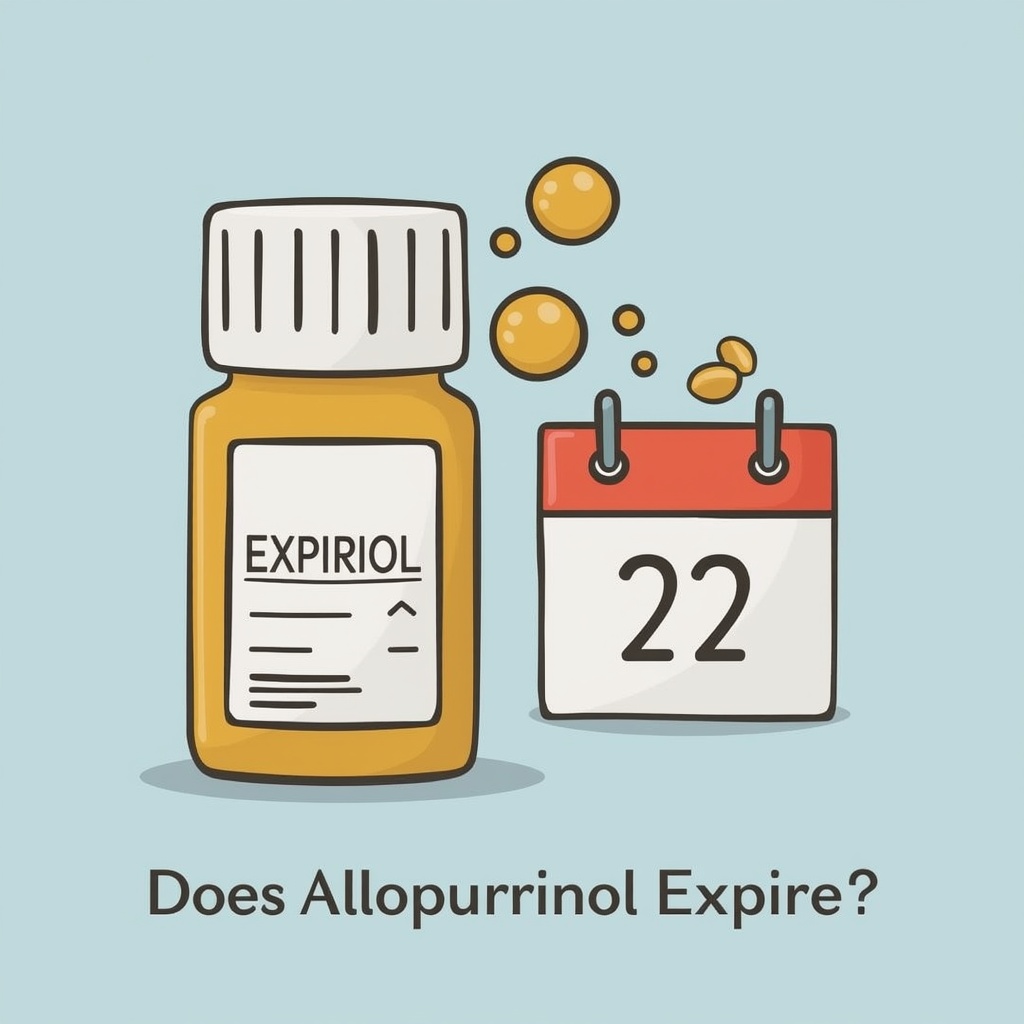
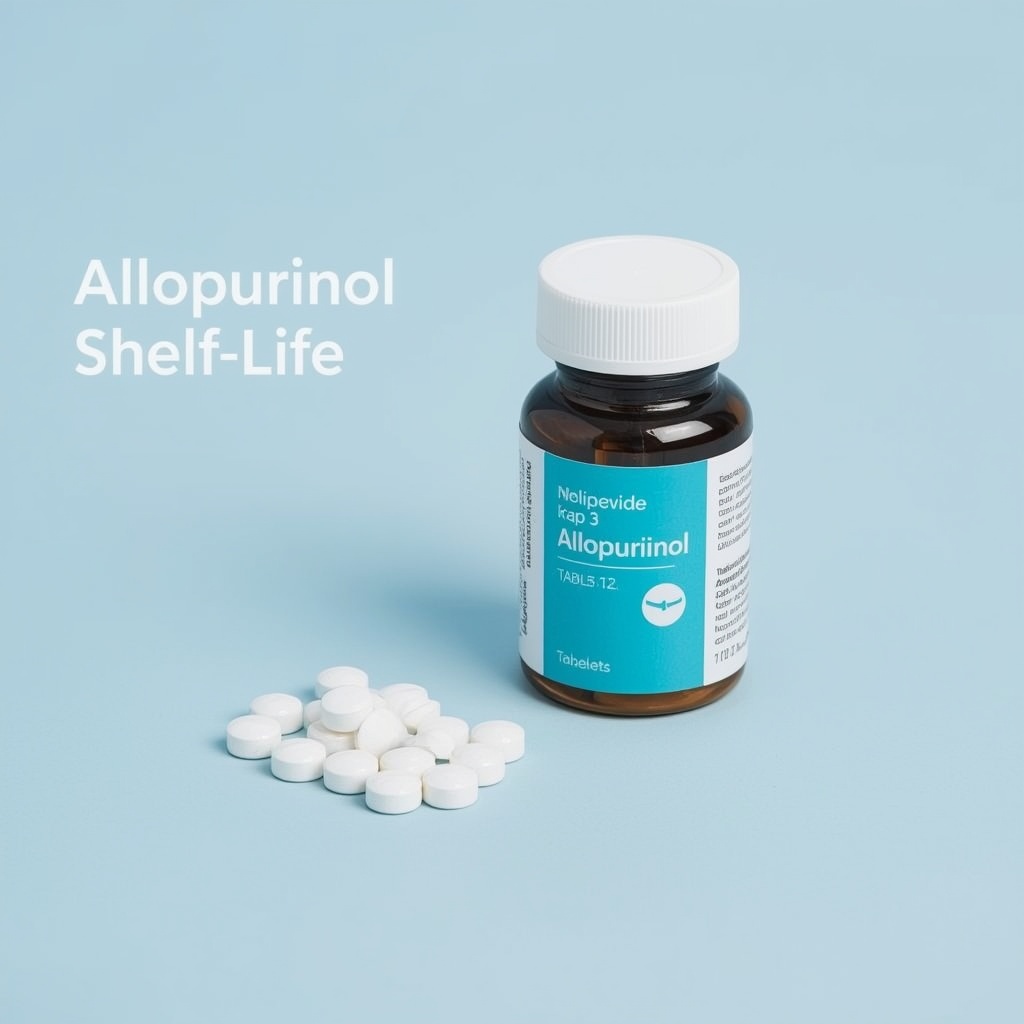
Yes, allopurinol does expire. Like virtually all pharmaceuticals, allopurinol has a manufacturer-assigned expiration date that marks the period during which the medication is expected to retain its labeled potency and purity. Using allopurinol beyond that date could mean reduced efficacy, and because allopurinol is a maintenance medication, decreased potency may lead to suboptimal uric acid control and a higher risk of gout flares. For safety and therapeutic reasons, it's best to follow expiration dates and consult your prescriber or pharmacist before using expired tablets.
Key factors that affect allopurinol shelf life
The practical shelf life of allopurinol depends on multiple variables. Understanding these helps answer "does allopurinol expire" in context:
- Packaging: Sealed blister packs keep moisture and air out, extending stability compared with bottles that are frequently opened.
- Formulation: Tablets tend to be more stable than liquid formulations, which can degrade faster.
- Storage conditions: Heat, humidity, and sunlight accelerate chemical breakdown. Ideal storage is typically at room temperature in a dry place.
- Manufacturing quality and excipients: Inactive ingredients and production methods influence long-term stability.
Signs an allopurinol tablet may be degraded
Allopurinol tablets are usually small, white or off-white. While many chemical changes are invisible, some visual or tactile clues can suggest degradation. Look for:
- Crumbled or excessively chalky texture
- Discoloration or spotting on the tablet surface
- Strong or unusual odor
- Excessive moisture in the container or visible residue
Note that the absence of visible changes does not guarantee full potency. If a tablet looks odd or has been stored improperly, do not use it without checking with a pharmacist.
Safety and efficacy: risks of taking expired allopurinol
Taking expired allopurinol carries two main concerns: decreased potency and potential impurity formation. Reduced potency is the most likely issue — an expired pill may not lower uric acid adequately, increasing the risk of gout flares or tophi over time. Formation of toxic breakdown products is rare for allopurinol when stored reasonably, but it's not impossible, especially if the product was exposed to heat or moisture for long periods. If you suspect therapy failure, don't increase the dose yourself; contact your provider for guidance and possibly a new prescription.
Proper storage tips to extend allopurinol potency
Good storage habits answer the concern does allopurinol expire sooner than the label suggests. Follow these best practices:
- Keep in the original container or blister pack until use to protect from humidity and light.
- Store at room temperature (68–77°F / 20–25°C) unless the label specifies otherwise. Short excursions are usually tolerated.
- Avoid bathrooms and kitchen cabinets above stoves — heat and steam shorten shelf life.
- Keep away from direct sunlight and out of reach of children and pets.
| Storage Condition | Effect on Allopurinol |
|---|---|
| Sealed blister pack, cool/dry | Optimal stability; manufacturer expiration applies |
| Opened bottle in bathroom | Increased moisture exposure; faster degradation |
| High heat (>86°F/30°C) | Accelerates chemical breakdown |
Reading labels, pharmacy practices, and refills
When you pick up a prescription, the bottle label includes a fill date and usually an expiration or discard date stamped by the pharmacy. Pharmacies often use a discard date based on one year from the fill date for controlled inventory reasons, not necessarily the manufacturer's expiration. Always check the manufacturer's expiration date printed on the original packaging or the pharmacy label. If in doubt, ask the pharmacist — they can verify the lot number and expiration and advise whether a refill or replacement is needed.
Disposal and FDA/regulatory guidance
Proper disposal matters: do not flush medications unless the label or instructions say to do so. The FDA recommends drug take-back programs as the preferred disposal method. If no take-back is available, most guidelines advise mixing pills with undesirable materials (like coffee grounds), sealing them in a container, and throwing them in household trash, while protecting personal data on prescription labels by removing or shredding them. For controlled or hazardous substances, follow specific local regulations. Pharmacies and community programs often accept expired prescription drugs for safe disposal.
| Disposal Option | When to Use |
|---|---|
| Drug take-back program | Preferred for all expired medications |
| Household trash (sealed/mixed) | When no take-back available; non-controlled meds |
| Flushing | Only if label or FDA list recommends; rare |
Frequently asked questions about allopurinol expiration
Below are concise answers to common questions readers have when they ask "does allopurinol expire":
Q: Can I take one expired dose of allopurinol if I only just missed a refill?
A: While a single expired dose is unlikely to cause harm, its potency may be reduced. It's better to contact your pharmacy or prescriber and replace expired medication promptly rather than rely on old pills for ongoing therapy.
Q: How long does allopurinol last in storage?
A: Manufacturer expiration dates typically range from 1 to 5 years depending on formulation and stability testing. Always follow the printed expiration date and storage instructions.
Q: Is liquid allopurinol less stable than tablets?
A: Yes. Liquid formulations often have shorter shelf lives and may require refrigeration after opening. Check the label and discard liquids beyond their recommended use period.
Q: What should I do if my allopurinol looks different?
A: Do not use it; contact your pharmacist. Changes in color, smell, or texture can indicate degradation or contamination.
Q: Are there special rules for international travel?
A: Keep medications in original packaging with labels, store them in a cool place, and carry enough supply plus a prescription note. Extreme heat in luggage or checked baggage can harm potency.
Additional resources
For authoritative guidance, consult your pharmacist, prescriber, and official sources such as the FDA or your national health agency. They can provide product-specific information, confirm manufacturer expiration dates, and advise on safe disposal. If you experience breakthrough gout symptoms, do not attempt dose changes on your own; seek medical advice promptly.